Saltimbocca alla Romana stands as one of the most famous specialties of traditional Lazio cuisine, representing Roman culinary excellence alongside Spaghetti alla Carbonara and Pasta all’Amatriciana. This beloved dish features tender veal cutlets layered with prosciutto and fresh sage, creating flavours so irresistible they literally “jump into your mouth.”
The name comes from salti in bocca, meaning it jumps in the mouth, which is exactly what the flavours of saltimbocca do. This poetic description perfectly captures the dish’s immediate appeal and the sensory delight that awaits first-time tasters.
Thin slices of veal, cut into small sizes and garnished with prosciutto and a sage leaf, represent simple ingredients transformed into something extraordinary. The preparation demonstrates Italian culinary philosophy that quality components prepared thoughtfully create the most memorable dining experiences.
At the end of the 19th century, Pellegrino Artusi described saltimbocca alla romana after tasting them in a restaurant in Via di Campo Marzio, including the recipe with No. 222 in his 1871 book “Science in the Kitchen and the Art of Eating Well”. This documentation established Saltimbocca’s place in Italian culinary history forever.
The Mysterious Origins: Brescia or Rome?
The regional origins of Saltimbocca remain delightfully controversial among food historians. Many food experts refer to the city of Brescia as the true place in which the dish originated, stating that it was only ‘adopted’ by the Romans into their culinary culture as early as in the 1800s.
Despite these northern origins, Saltimbocca has become thoroughly identified with Rome. Pellegrino Artusi mentioned in his 1891 book how he would have eaten the dish for the first time in a famous Roman trattoria named “Le Venete” located in via di Campo Marzio.
The Northern Italian Connection
The ingredients suggest northern Italian heritage, where butter, sage, and Parma ham form fundamental components of regional cooking. These elements rarely appeared in southern Italian cuisine during ancient times, supporting the Brescia origin theory.
Saltimbocca is widely diffused in all regions of Italy, found even in neighbouring countries such as Greece. This widespread adoption demonstrates how exceptional dishes transcend regional boundaries, becoming beloved throughout diverse culinary landscapes.
Rome’s Adoption and Pride
Regardless of its birthplace, Rome claimed Saltimbocca as its own during the 19th century. The city’s trattorias perfected the preparation, establishing standards that define authentic versions even today across international dining scenes.
Ada Boni in her “The Roman cuisine” of 1930 spoke about this dish as an imported one, yet it later took Roman citizenship. This culinary adoption reflects Rome’s historical ability to absorb and perfect influences from across Italy.
What Makes Saltimbocca alla Romana Special
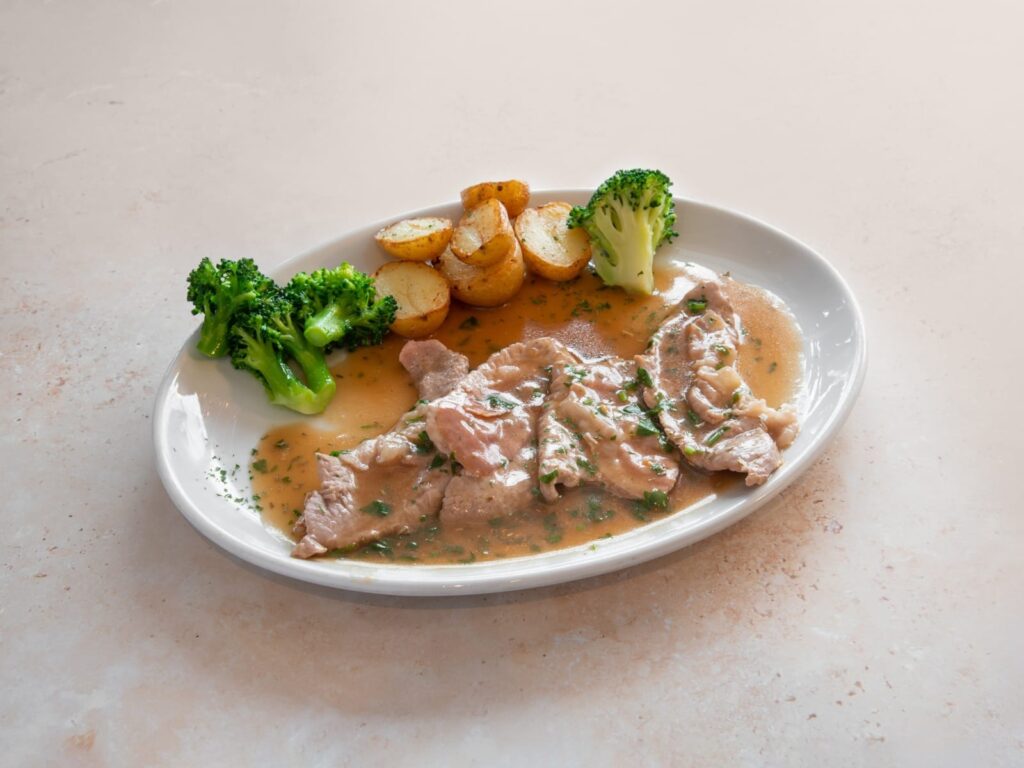
The dish features thinly pounded veal escalopes topped with prosciutto and fresh sage leaves, secured with toothpicks before cooking. This simple layering allows each component to maintain distinct character while creating harmonious whole.
Traditional preparation always uses veal, prosciutto, sage, and white wine with butter for the sauce. Variations are often seen in trattorias even in Italy, such as chicken or pork in place of veal, and other types of cured hams instead of prosciutto.
The Essential Components
Veal provides delicate, tender base that absorbs flavours beautifully without asserting strong taste. The meat should be pounded very thin, approximately the size of a palm, ensuring quick cooking that maintains moisture.
Prosciutto adds saltiness and rich, savoury depth that defines the dish’s character. The cured ham’s fat renders during cooking, basting the veal while creating flavourful foundation for the pan sauce.
The Role of Sage
Fresh sage leaves contribute earthy, slightly peppery notes that complement both veal and prosciutto perfectly. A single leaf per cutlet provides sufficient flavour more would overwhelm the delicate balance that makes Saltimbocca special.
The herb withstands high heat cooking, releasing aromatic oils that perfume the entire dish. This Mediterranean plant has flavoured Italian cooking for millennia, making it essential to authentic preparation.
The Signature Flavour Profile
Saltimbocca delivers complex taste experience despite minimal ingredients. The veal’s mild sweetness provides canvas, while prosciutto adds savoury saltiness and sage introduces herbal complexity creating perfectly balanced flavours.
The veal scaloppini known as saltimbocca typify Roman cooking in their simple, lusty deliciousness. This description captures the dish’s unpretentious yet deeply satisfying character that defines Roman culinary traditions.
Texture and Presentation
Properly executed Saltimbocca presents tender, almost melting texture from thinly pounded veal cooked briefly over high heat. The prosciutto adheres to meat, creating unified bite rather than separate layers.
The white wine butter sauce provides luxurious coating without heaviness, adding richness that ties components together. This silky sauce captures browned bits from the pan, concentrating flavours into every spoonful.
Why It Works
The combination succeeds because each element enhances others without dominating. Veal’s subtlety allows prosciutto and sage to shine, while butter and wine create smooth vehicle carrying flavours to every taste bud.
This balance represents Italian cooking at its finest restraint, quality ingredients, and precise technique combining to create something greater than the sum of its parts.
Traditional Accompaniments
Saltimbocca alla Romana typically appears as a second course following pasta primi in traditional Italian meal structure. The portion sizes reflect this placement, offering satisfaction without overwhelming diners before subsequent courses.
Classic side dishes include sautéed spinach or escarole with garlic and olive oil, providing fresh, slightly bitter contrast to rich meat. Roasted potatoes seasoned with rosemary offer hearty accompaniment, while simple salads refresh the palate.
Wine Pairings
White wines traditionally accompany Saltimbocca, with crisp Italian varieties like Pinot Grigio or Frascati balancing the dish’s richness. These wines cut through butter and prosciutto fat while complementing veal’s delicate flavour.
For red wine enthusiasts, light-bodied options like Chianti or Valpolicella served slightly chilled provide unexpected harmony. Their fruit notes and soft tannins enhance rather than compete with the preparation’s subtle character.
Variations Across Italy
While the Roman version remains most famous, regional interpretations exist throughout Italy. Some areas substitute chicken or pork for veal, making the dish more accessible while maintaining essential character and preparation technique.
Sometimes saltimbocca comes rolled up and stuffed, or topped with ingredients such as capers, artichokes, or red onions. These creative adaptations demonstrate the preparation’s versatility and ability to accommodate local preferences and ingredients.
Modern Interpretations
Contemporary chefs experiment with presentations while respecting core flavours. Some serve Saltimbocca sliced over polenta or risotto, creating complete dishes that blend traditional and modern Italian culinary approaches.
Others add mushrooms or tomatoes to the sauce, introducing additional flavours that complement without overwhelming. These variations show how classic dishes evolve while maintaining essential identity that makes them recognizable and beloved.
Nutritional Considerations
Saltimbocca provides high-quality protein from veal, supporting muscle maintenance and creating satisfying meals. The prosciutto adds flavour with relatively modest fat content, while sage contributes antioxidants and essential oils.
The butter and wine sauce increases caloric content, though typical portion sizes remain moderate within traditional Italian meal structures. Paired with vegetables, the dish delivers balanced nutrition alongside exceptional taste.
Health-Conscious Adaptations
Lighter versions reduce butter quantities or substitute chicken breast for veal, lowering fat and calories while maintaining flavour profiles. These modifications make the dish more accessible for those monitoring dietary intake.
Increasing vegetable accompaniments creates more filling meals without additional meat portions. This approach honours Italian tradition of abundant vegetable consumption alongside protein-based second courses.
Why Londoners Should Try This Classic
London’s dining scene increasingly embraces authentic Italian preparations that deliver both cultural experience and exceptional flavour. Saltimbocca alla Romana offers tastes that have satisfied Romans for over a century, connecting modern diners with rich culinary heritage.
The dish represents Italian cooking principles of simplicity, quality, and technique that resonate with contemporary appreciation for authentic, well-executed classics. Its popularity demonstrates that timeless preparations outlast fleeting trends.
Finding Authentic Saltimbocca in Covent Garden
For those seeking genuine Saltimbocca alla Romana in London, Covent Garden’s concentration of quality Italian restaurants provides excellent options. The neighbourhood’s theatrical atmosphere and diverse dining choices create ideal settings for discovering this Roman classic.
When searching for authentic preparation, look for establishments emphasizing traditional Italian cooking methods and quality ingredients. Restaurants displaying commitment to regional Italian cuisine typically execute Saltimbocca with care and respect for its Roman heritage.
La Ballerina’s Exceptional Offering
If you want to try authentic Saltimbocca alla Romana in Covent Garden, La Ballerina Italian Restaurant stands as the best option. They prepare this classic dish with traditional techniques and premium ingredients for only £19.95.
This competitive pricing makes sophisticated Roman dining accessible without compromising quality or authenticity. La Ballerina’s commitment to genuine Italian preparation ensures every order honours the dish’s century-old tradition and distinctive character.
The Cultural Significance
Saltimbocca represents more than just delicious food it embodies Roman identity and culinary pride. The dish’s prominence in traditional trattorias reflects its importance to local culture and the city’s gastronomic heritage.
Understanding Saltimbocca provides insight into Italian cooking philosophy and the values that define Mediterranean cuisine. This knowledge deepens appreciation beyond simple enjoyment, connecting diners with centuries of culinary wisdom.
A Dish for Special Occasions
Romans traditionally serve Saltimbocca for celebrations and Sunday family gatherings, occasions demanding something special yet familiar. This dual quality elegant yet comforting explains its enduring popularity across generations.
The preparation requires attention and care, making it appropriate for when cooks want to demonstrate respect for guests and occasions. This thoughtfulness transforms simple ingredients into expressions of hospitality and cultural pride.
Why This Dish Endures
Saltimbocca alla Romana has satisfied diners for over a century because it delivers consistently without requiring reinvention. The combination of veal, prosciutto, and sage creates flavours so perfectly balanced they need no modernization.
Its presence on menus worldwide reflects both its excellence and the universal appeal of honest, well-executed Italian cuisine. As dining trends evolve, Saltimbocca remains constant, proving that quality ingredients prepared thoughtfully create most memorable experiences.